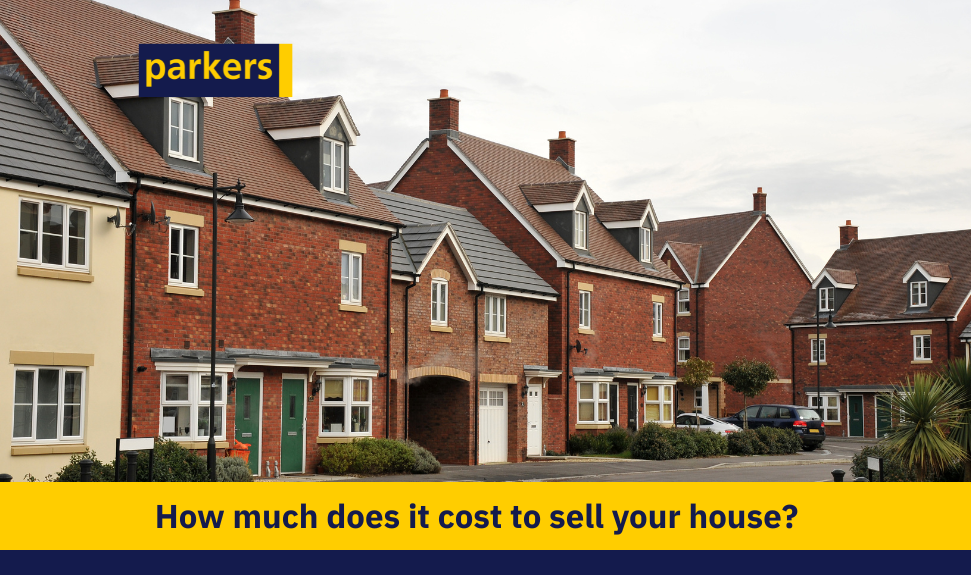
When it comes to selling a home, most sellers think first about how much their property might achieve on the market. But the other side of the equation is just as important: what will it actually cost to sell? From estate agent fees to removal vans, there are several expenses to plan for. Some are essential and easy to budget, while others can take people by surprise.
This guide explains each cost clearly so you know what to expect, how much you might pay, and where savings could be made.
Related: Guide to selling a flat
Fees to consider when selling
Agent fees
Estate agents charge for marketing your property, arranging viewings, and negotiating the best offer. Most work on commission, meaning the higher your home sells for, the higher their fee.
Average costs
In the UK, estate agent fees usually sit between 1% and 2% of the final sale price, though some may go as high as 3%. For a £300,000 home, that equates to between £3,000 and £6,000. Online agents sometimes offer fixed packages for under £1,000, but they often provide less hands-on service and may expect you to conduct your own viewings.
Top tip: Always check whether fees are quoted with or without VAT, as that 20% can make a difference.
Capital gains tax
If the property being sold is your main residence, you won’t normally pay Capital Gains Tax (CGT) thanks to Private Residence Relief. However, CGT may apply if:
- The property has been let out
- Part of it has been used for business
- It is a second home or investment property
For the 2025-26 tax year, basic rate taxpayers pay 18% CGT on property gains, while higher and additional rate taxpayers pay 24%. Deductions are available for costs like solicitor fees or stamp duty originally paid, so accurate record keeping helps reduce the final bill.
Solicitor and conveyancing fees
Conveyancers or solicitors handle the legal side of the sale, such as drafting contracts, liaising with the buyer’s solicitor, and transferring ownership.
Typical costs range from £800 to £1,500. Leasehold properties often cost more to process than freeholds due to the extra paperwork involved.
Tip: While it can be tempting to go with the cheapest quote, experience and speed often prove invaluable, especially if your sale has a tight timeline.
EPC (Energy Performance Certificate)
An EPC is a legal requirement when selling a property in England and Wales. It grades the energy efficiency of your home from A to G.
Most assessments cost between £60 and £120 and remain valid for ten years. If you have sold or rented your property in the past decade, you may already have one in place, so check before ordering a new one.
Mortgage fees
If you still have a mortgage, you may face one of two costs:
- Early repayment charges if you are locked into a fixed or tracker deal. These can range from 1% to 5% of the outstanding balance.
- Exit fees or admin charges are usually between £50 and £300.
If you are taking out a bigger mortgage to move up the ladder, expect additional arrangement fees. These vary widely, but often run to several hundred pounds.
Property touch-up fees
First impressions matter. Small updates such as fresh paint, repairing cracked tiles, or tidying the garden can help secure a faster sale and a stronger offer.
On average, sellers spend £200 to £1,000 on minor improvements. More extensive work, such as replacing flooring or updating bathrooms, is optional but can add market appeal if the property is dated.
Removal fees
The cost of moving possessions depends on how much you own, how far you are going, and the level of service you choose.
Typical prices include self-drive van hire from £80 a day, basic removal company service from £300 for a local move, or full service removals including packing from £1,000 or more for larger homes.
Hidden costs to watch out for
Beyond the big ticket items, there are smaller but easy to miss costs, including:
- Professional cleaning before handover £100 to £200
- Optional home staging, presenting your property more attractively to buyers, typically starts from around £200.
- Royal Mail redirection service costs around £80 for one year
- Insurance overlap covering both homes briefly while you move
These are not huge individually, but together they can push selling costs higher than expected.
The housing market in 2025
The wider market also influences your moving costs. If house prices are rising, sellers may feel comfortable investing in touch-ups. If prices are falling, keeping expenses tight may be more appealing.
As 2025 draws to a close, forecasts suggest UK house prices will have risen by around 2% to 4%. Inflation has eased to about 3.6% CPI, reducing cost pressures, while interest rates have gradually declined over the year. Together, these factors have created a more stable environment for sellers compared with recent years.
Are you looking to sell your home?
Selling your property is a big step, both emotionally and financially. Knowing the costs upfront helps avoid surprises and keeps your budget on track.
At Parkers, our friendly local estate agents help you plan your sale with confidence. We can connect you with trusted solicitors, arrange EPCs, advise on improvements, and manage your sale with expertise.
If you are considering selling your home, start with a free no-obligation valuation. Get your free valuation today to see how much your home could be worth and take the first step towards your next move.