Victorian terraces. 1930s semis. Modern new builds. The UK’s housing stock reflects centuries of changing architectural styles and evolving building methods, each with their own appeal and investment characteristics.
If you’re weighing up which type of British house to buy, understanding how different styles perform in the market can help inform your decision. Location matters enormously, but patterns do emerge when looking at which architectural types tend to hold their value.
Related: A building survey: What is it and why you need one
Traditional British houses: Built to last
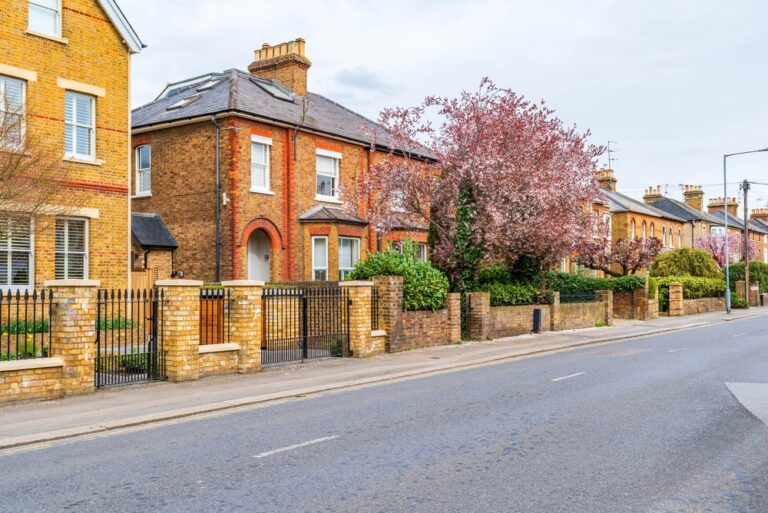
Step inside a Victorian terrace and you’ll immediately understand the appeal. Those high ceilings. Elegant sash windows flooding rooms with light. Original fireplaces that have warmed generations of families
Period properties dominate many of the UK’s most desirable postcodes. Victorian terraces remain particularly hot property in urban areas, their generous proportions and extension potential making them irresistible to buyers with vision and patience. Market data shows they consistently outperform newer builds over the long term in prime locations.
Edwardian houses, built between 1901 and 1910, improved on everything Victorians did well. Wider hallways. Bigger gardens. More natural light. Families love these homes for their liveable layouts and period charm.
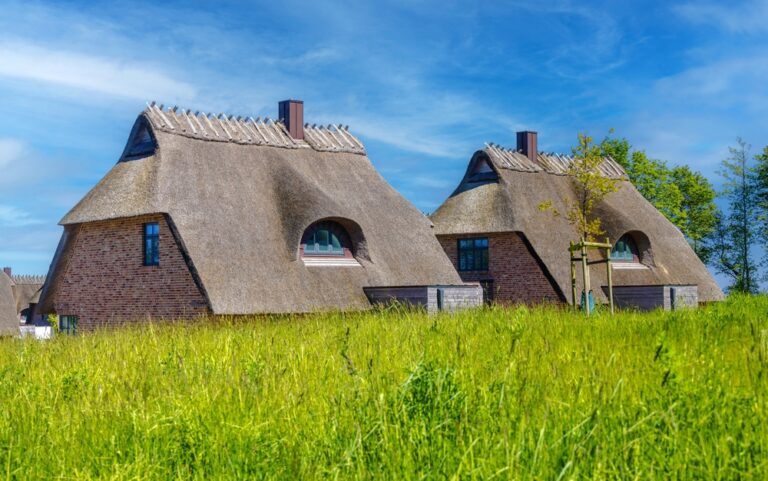
Then there’s the British country cottage. Chocolate-box pretty but often requiring serious investment to bring plumbing and heating into the 21st century.
Related: A guide on what to look for in a period property
British semi-detached houses: The middle ground
If there’s one house type that defines modern Britain, it’s the semi. Drive through any suburb and there they are: neat pairs of three-bedroom homes with driveways and a shared wall separating them.
The British semi-detached house accounts for roughly a quarter of our housing stock. It’s the goldilocks property – not too big, not too small, not too expensive. Most feature three bedrooms, gardens front and back, and all-important parking.
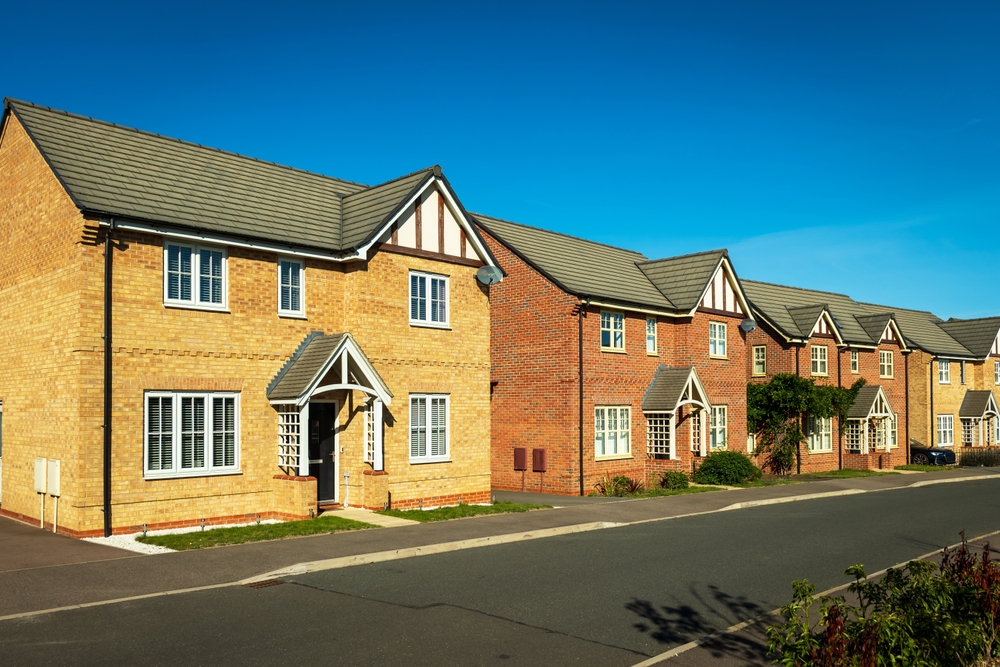
The 1930s saw semi-detached housing boom. Those distinctive bay windows, mock Tudor gables, and art deco touches still define countless streets today across the country. Solid construction and adaptable layouts make them perennially appealing.
In established areas with decent schools and transport, semis hold their value remarkably well. They suit first-time buyers, growing families, and downsizers alike.
Related: How to buy an abandoned property
Modern British homes: Contemporary living
New builds divide opinion like little else in property. Some buyers won’t touch anything built after 2000. Others want that new-home smell, warranty peace of mind, and zero DIY for a decade.
Modern British homes deliver what today’s buyers expect: open-plan living, energy efficiency that works, and kitchens where you can cook and socialise simultaneously. Integrated garages, ensuites, and landscaped communal areas come as standard.
Here’s the catch: new builds command premium prices upfront but often lag behind period properties for long-term value growth. That new-build premium tends to evaporate once someone else has lived there. However, for buyers prioritising low maintenance over character, they make perfect sense.
Urban areas increasingly favour apartments and townhouses. Rural developments lean toward detached family homes. Smart home technology is becoming standard rather than an upgrade.
British mansions and country houses: Premium properties
Now we’re talking about a different league entirely. British mansions and country houses occupy that rarefied space where property becomes estate, and square footage runs into the thousands.
These properties – Georgian manor houses, Victorian country estates, sprawling rectories appeal to buyers seeking privacy, land, and architectural grandeur. But the British country house market plays by different rules.
Location matters enormously. A handsome period house within striking distance of London while offering rural peace? Gold dust. An isolated estate requiring six-figure restoration and costing thousands monthly to run? Much harder to sell.
Properties with manageable grounds, good access to regional centres, and realistic running costs hold value best. Many country houses benefit from that London proximity sweet spot.
Related: Flying freehold explained: What buyers should know
Which type holds value best?
Here’s what the data tells us: location beats architecture every time. But patterns do emerge across the property market over time.
Victorian and Edwardian properties in prime spots with solid transport links consistently top the performance charts. Their adaptable layouts and renovation potential create resilience even when markets wobble.
The British semi-detached house delivers steady growth in suburban areas with strong schools. Not exciting, but reliable. Modern British homes start strong but typically see slower appreciation than period properties.
British country cottages can be unpredictable. When lifestyle trumps commutability, they soar. During economic squeezes, they stagnate. Villages with decent town access maintain stronger values.
Buy well in an area with proven demand. A Victorian terrace near excellent schools, a well-kept semi in a commuter town, a characterful cottage in a thriving village, all represent sound investments at fair market value.
What matters most? Buy well in an area with proven demand. A Victorian terrace near excellent schools, a well-kept semi in a commuter town, a characterful cottage in a thriving village – all represent sound investments at fair market value.
Thinking about buying or selling? Get in touch with your local Parkers branch, we’re here to help.