If you’ve fallen for a period home, or you’re weighing one up, you may have come across the term “Grade II listed.” It sounds official, and it can feel a little daunting at first, but once you understand what it means, it’s far more straightforward than it seems. Think of a listing as the country’s way of recognising a building worth looking after, and Grade II is by far the most common kind.
Here’s what Grade II listed means, how it compares to the other grades, and how to find out whether a house is listed.
Related: Types of British houses: Which style holds value best?
What does Grade 2 listed mean?
A listed building is one that’s officially recognised as having special architectural or historic interest. That recognition places it on the National Heritage List for England and brings it within the planning system, so it’s protected for future generations.
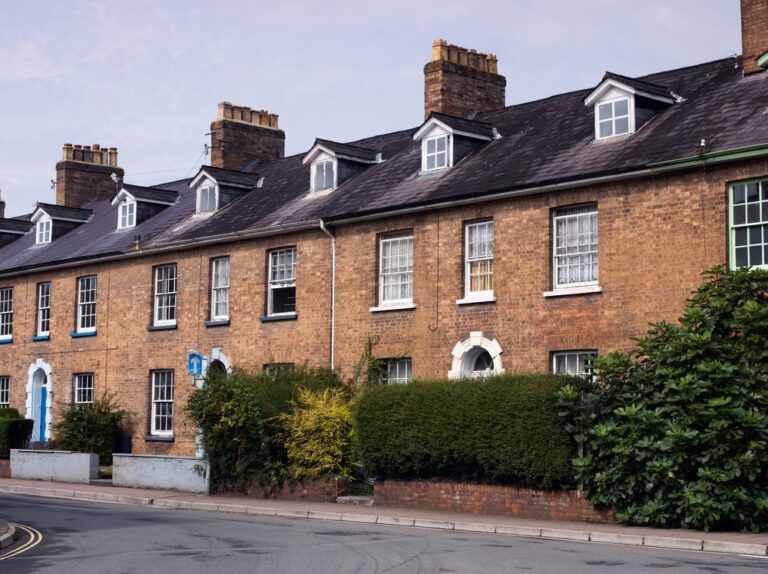
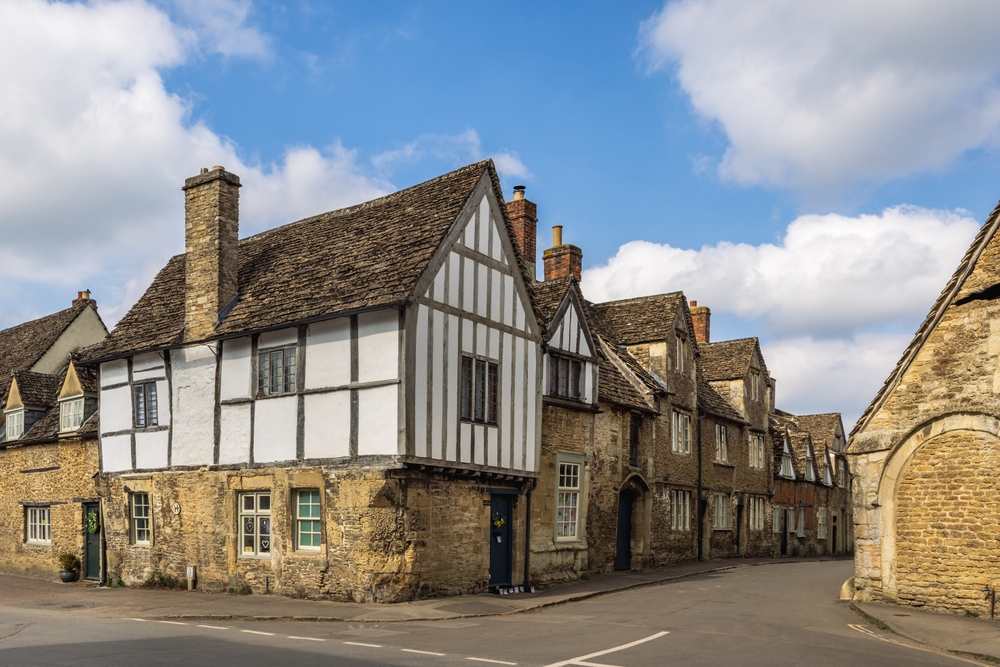
In England, listed buildings fall into three grades, and Grade II is the one you’ll come across most often. A Grade II listing means the building is of special interest, warranting every effort to preserve it. These are the everyday historic homes that give our towns and villages their character, from Georgian townhouses to Victorian terraces and old country cottages.
Grade II is comfortably the most common grade. According to Historic England, around 92% of all listed buildings in England are Grade II, so if you’re buying or selling a listed home, this is very likely the category it falls into
What do the different listing grades mean?
There are three grades, and they reflect how significant a building is.
Grade I is the highest, reserved for buildings of exceptional interest. Only around 2.5% of listed buildings are Grade I, and they include some of the country’s most important landmarks.
Grade II star (written as “Grade II*”) sits in the middle, for particularly important buildings of more than special interest, and makes up roughly 5.5% to 5.8% of listings.
Grade II covers buildings of special interest and as mentioned, accounts for the vast majority.
It’s worth knowing that all three grades carry the same legal protection. The grade reflects a building’s relative importance rather than how strictly it’s protected, though in practice proposals affecting Grade I and Grade II star buildings tend to receive closer scrutiny, and Historic England is consulted on those applications.
For Grade II homes, the local council usually handles things without routinely involving Historic England.
Related: Local authority searches when buying: What you really need to know
What does being listed cover?
One thing that surprises many owners is just how much a listing covers. It isn’t only the front of the building or the parts you can see from the street. A listing protects the whole building, inside and out, including internal features such as fireplaces, staircases, and original windows.
It can also extend beyond the main house. Structures within the grounds that were built before 1 July 1948, such as outbuildings, garden walls, and gates, can be covered by the same listing. This is why it’s always worth understanding exactly what’s included before planning any changes.
If you own or are buying a listed home, you’ll need Listed Building Consent for any work that would affect its special character, whether that’s internal or external. This is separate from ordinary planning permission, and it applies to alterations, extensions, and demolition. Everyday maintenance and genuine like-for-like repair using the original materials generally don’t need consent, but anything beyond that usually will. Your local authority’s conservation officer is the right person to talk to before you start, and applying for Listed Building Consent is free.
One important point: carrying out work that affects a listed building’s character without consent is a criminal offence, so it always pays to check first rather than assume.
How can you tell if a house is Grade 2 listed?
If you’re wondering whether a particular house is listed, it’s easy to check and the information is free and publicly available.
The definitive source is the National Heritage List for England, the official register maintained by Historic England. You can search it by postcode or address, and the map search is the clearest way to see whether a specific building is listed and at what grade. The list entry will often tell you what’s particularly significant about the building too, though some records are more detailed than others.
There are a few other ways the status tends to come to light. Estate agent particulars will usually mention listed status, as it’s an important selling point. During a purchase, your solicitor’s searches will confirm the position formally, and older survey reports or past planning applications often reference it as well. If you’re still unsure, your local council’s conservation officer can help, and Historic England has a helpdesk for the National Heritage List.
It’s also worth remembering that a house doesn’t have to be listed to sit within a conservation area, which carries its own planning controls. If you’re buying, knowing a property’s status early means no surprises, so you can go in with a clear picture of what you’d be taking on.
Related: Open house viewing tips for buyers: How to make the right decision
Buying a listed home
Owning a piece of history is something many people find genuinely rewarding, and listed homes have a character that’s hard to find in a modern build. If you’re buying one, the key is to go in well informed: understand the grade, what the listing covers, and what Listed Building Consent would mean for any changes you’re hoping to make.
None of this needs to put you off. Plenty of Grade II homes are sympathetically extended and updated every year, and knowing the rules simply helps you plan with confidence.
For advice on buying a listed property, or to find out what its status would mean for you, speak with your local Parkers branch.