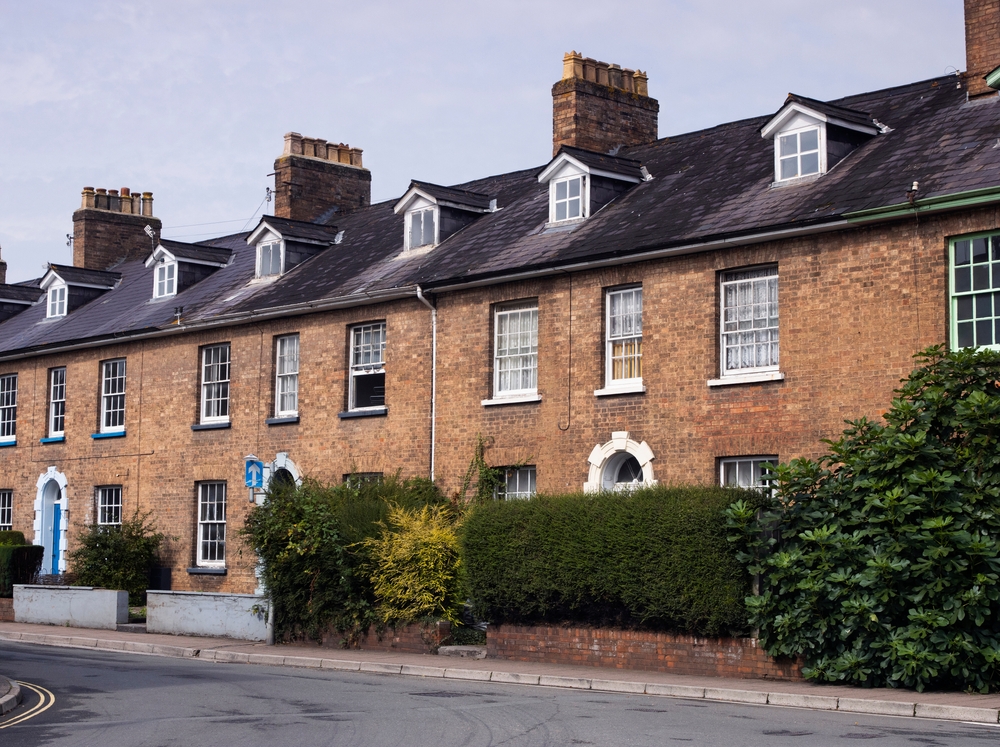
There’s something unique about a Victorian home. The high ceilings, the bay windows, the ornate fireplaces and original floorboards give these houses a character that’s almost impossible to replicate in a modern build. Whether you’ve got your eye on one to renovate, you’re doing up a Victorian home you already own, or you’re improving one before you sell, a little know-how goes a long way. These houses were built differently from modern ones, and understanding that is the key to a renovation that looks wonderful and lasts.
Here’s a practical checklist for renovating a Victorian house, plus some thoughts on whether buying one to do up is the right move for you.
Related: Types of British houses: Which style holds value best?
Why Victorian houses need a different approach
Before any checklist, there’s one thing worth understanding, because it shapes almost everything else. Victorian houses were built to breathe. Their solid brick walls, lime mortar, and timber floors were designed to absorb moisture and then release it, letting the building manage damp naturally.
Modern materials like cement render, gypsum plaster, and plastic paints work the opposite way, sealing moisture in. When these are added to a Victorian house without care, they can trap damp and cause problems that weren’t there before.
Working with the house rather than against it, using breathable materials such as lime plaster, is a key principle of a good Victorian renovation.
Your Victorian house renovation checklist
Every home is different, but most Victorian renovations follow a similar path. Here’s the order that tends to work best.
Start with a specialist survey
A standard homebuyer’s report often isn’t enough for a house this old. Bring in specialists for structure, damp, and timber, who know what to look for in a period property and can spot issues a generalist might miss.
Sort the structure first
Deal with any structural movement or subsidence before anything else. A sound, watertight shell is the foundation everything else depends on.
Check the roof
From street level, look at whether the roofline is straight or sagging. Many Victorian roofs can be repaired rather than fully replaced, so it’s worth keeping the original where you can.
Tackle damp at the source
Clear any blocked air bricks, make sure ground levels and flower beds aren’t sitting above the original damp course, and get a proper damp survey before any remedial work. Treating the cause matters far more than covering the symptom.
Update the services
Old wiring and plumbing usually need replacing, and much of your budget will go on things you’ll never see. It’s disruptive work, so it’s best done early, before decoration.
Improve energy efficiency sympathetically
Loft, wall, and underfloor insulation, draught-proofing, and heating upgrades make a Victorian home far more comfortable, as long as they’re done in a way that keeps the house breathable.
Restore the original features last
Once the house is sound, the fun begins. Fireplaces, floorboards, cornicing, and doors can often be brought back to life, and these are the details that give the home its value and charm.
Related: Can you sell your house before you buy a new one?
Restoring original features
For many people, this is the most rewarding part of a Victorian renovation. Original features are exactly what buyers love about these homes, so preserving them is well worth the effort, whether you’re staying put or planning to sell.
Some features only reveal themselves once you start work, such as fireplaces that have been boarded up or parquet flooring hidden under old carpet. Interior doors, cornicing, ceiling roses, and cast iron radiators can all be restored or sympathetically replaced. Sash windows are a classic Victorian feature, and while they can be draughty, restoring them often keeps more character than swapping them for modern replacements.
Should you buy a Victorian house to renovate?
With move-in-ready homes still in high demand, more buyers are looking at properties that need work, and a Victorian house can be a wonderful project. Whether it’s right for you comes down to a few honest questions.
On the plus side, Victorian homes offer space, character, and features you simply won’t find in a new build, and there’s real satisfaction in bringing one back to its best. They’re often in established, well-connected neighbourhoods, and a sympathetically renovated period home can be very appealing when it comes to selling later.
On the other hand, renovation takes time, patience, and a flexible budget, as older homes have a habit of revealing surprises once work begins. Upkeep can be more involved than with a modern house, and some tasks will need specialist tradespeople and period-appropriate materials.
The most important step is a thorough, specialist survey before you buy. It tells you exactly what you’re taking on, so you can budget realistically and buy with confidence. A specific issue flagged in a survey isn’t necessarily a reason to walk away, particularly if you were planning to renovate anyway, but it should always inform your decision and your budget.
Related: Local authority searches when buying: What you really need to know
Making it happen
A Victorian renovation is a genuine labour of love, but for the right person it’s one of the most rewarding projects going. The secret is to respect how the house was built, get the groundwork right before the finishing touches, and lean on specialists who understand period homes. Do that, and you’ll end up with a house that has all the character of its era and all the comfort of a modern home.
If you’re thinking about buying a Victorian home to renovate, or you’d like to understand what one might be worth once the work is done, speak with your local Parkers branch.