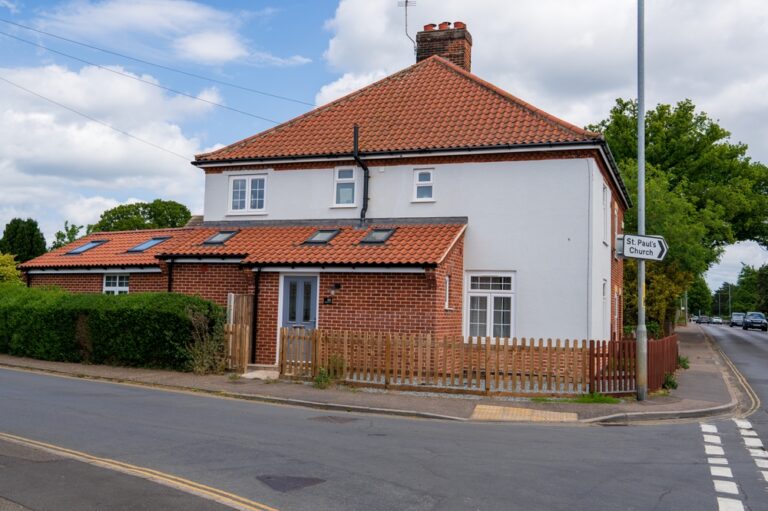
The Bank of England’s decision to reduce the base rate to 3.75% marks an important change after a period of sustained increases. While this move will not immediately transform the housing market, it does change the conditions in which property decisions are being made.
For buyers, sellers, homeowners and landlords, the focus now shifts away from reacting to rising costs and towards planning with a clearer view of what the next year may bring. As we move into 2026, this adjustment provides a more stable backdrop for reviewing options and making informed choices.
Related: What the 2025 budget really means for homes, landlords and local property markets
Why the base rate remains relevant
The base rate influences how much it costs lenders to borrow money, which in turn affects:
- Mortgage interest rates
- Monthly repayment levels
- Buyer affordability
- General market activity
When the base rate begins to fall, lenders typically respond gradually. Mortgage products adjust over time rather than overnight, which can ease borrowing costs and support steadier activity across the market.
This latest cut is widely viewed as a sign that inflationary pressure is easing and that financial conditions are becoming more settled.
What this could mean for homeowners with a mortgage
Homeowners on tracker or variable-rate mortgages may see small reductions in monthly repayments. Those on fixed-rate deals will not notice any immediate change, but the direction of travel matters.
If your fixed rate ends within the next six to 12 months, reviewing options early can help you avoid last-minute decisions and give you a clearer understanding of what is available.
Even if you are not planning to move, understanding how your mortgage position may change helps with wider household budgeting and planning.
What buyers may want to think about
Lower borrowing costs can improve affordability over time and make monthly repayments more manageable for some buyers.
Rather than leading to a surge in activity, this change points towards a steadier market in 2026, where buyers are able to take a more considered approach. Budgeting carefully, understanding borrowing limits and planning remain just as important as finding the right property.
Buyers who prepare early are often in a stronger position when suitable homes come onto the market.
What sellers might notice as conditions settle
As borrowing becomes more affordable, buyer interest often becomes more consistent. While this does not automatically mean higher prices, it can help support transaction levels and reduce delays caused by uncertainty.
For sellers, a more balanced market places greater importance on realistic pricing, good presentation and local market knowledge. If selling is part of your plans for 2026, early preparation can help you decide on timing and strategy.
What landlords should keep in mind?
Landlords have faced higher finance costs alongside wider changes in the rental sector. Any easing in borrowing costs may therefore provide some welcome relief, particularly for those on tracker mortgages or approaching a remortgage.
Rental demand remains strong in many areas, which continues to support the lettings market. As conditions adjust, landlords may find it helpful to review their overall position, including finance, management arrangements and longer-term plans.
Related: Possession Grounds Made Clear: Learn How Landlords Can End Tenancies after May 2026
What the 2026 property market may look like
Further base rate cuts are possible, although the pace will depend on inflation and wider economic conditions. If borrowing costs continue to ease gradually, the market is likely to move into a more predictable phase.
Rather than sharp changes, the outlook suggests steady activity and clearer decision-making for buyers, sellers and landlords.
Key takeaway: Whether you are buying, selling, remortgaging or reviewing a buy-to-let strategy in the next six to 12 months, starting early allows more time to compare options and act with confidence.
Related: Renters’ Rights Act: Key changes for self-managing landlords from 27 December 2025
Why does this matter when planning your next move
This base rate cut matters because it provides a clearer framework for property planning. While it does not remove every challenge in the market, it does help reduce uncertainty and support more informed decision-making.
Property markets are shaped locally. Parkers Properties can help you understand what demand looks like in your area, what realistic pricing or rental levels are, and how best to plan your next move.
Thinking ahead to 2026? Book a free property valuation with Parkers Properties to understand where you stand and what options may be available.