Thinking about selling a property with solar panels? You’re probably wondering whether they’ll help or hinder your sale. The good news is straightforward: buyers like them. Solar panels have genuinely become one of those features that attracts interest and understanding how they work for your sale helps you market your home effectively.
Related: Granny annexe cost: is adding one to your property worth the investment?
Why buyers are interested in solar panels
When people are searching for properties online, solar panels increasingly appear in their wish lists. It’s partly about environmental concerns, partly about saving money on bills, and partly about recognising that a property with solar panels has been well looked after and modernised.
Research shows that homes marketed with energy-efficient features – particularly solar panels – attract more buyer enquiries than similar properties without them. More importantly, these properties tend to spend less time on the market. From a selling perspective, that’s genuinely valuable. A property generating real buyer interest moves toward completion faster, which benefits everyone involved.
Buyers also appreciate what solar panels signal about your property. They suggest you’ve invested in upgrades, kept the property maintained, and thought about longer-term value. That positive impression extends beyond just the solar panels themselves.
Do solar panels add value?
The honest answer is yes, but not in a simple way. Recent research examining hundreds of thousands of property transactions shows that homes with solar panels consistently achieve higher prices than similar properties without them. The uplift isn’t tiny – it’s noticeable enough that buyers genuinely recognise the benefit.
Why does this happen? A few reasons combine. Solar panels improve your property’s energy rating, which increasingly influences both buyers and mortgage lenders. Buyers care about this because it reflects running costs – a home with better energy efficiency means lower bills. That’s tangible and direct. Beyond the rating itself, solar panels represent the promise of free electricity during daylight hours. Buyers calculate that into their decision-making.
It’s also worth recognising that this value contribution varies depending on where you are and what your local market looks like. In areas where energy costs are higher or where buyers are particularly environmentally conscious, the appeal often runs stronger. But broadly speaking, across different regions and property types, solar panels demonstrate consistent value.
Related: The price reality check: Why realistic pricing matters more in today’s market
What matters practically when you’re selling
Here’s where things get more important. Not all solar panel situations are equal. If you own your panels outright – you purchased the system and it’s yours – selling is straightforward. They’re part of the property, they transfer to the buyer, and everyone’s happy.
If your panels are leased, that’s different. There are older schemes from around 2010-2015 where companies installed panels for free in exchange for keeping the income from them. These created 25-year leases that transfer to whoever buys your property next. That complicates things because buyers must accept a lease they didn’t negotiate, and some mortgage lenders are cautious about lending on properties with solar leases. If this applies to you, you need to be upfront about it early in conversations with potential buyers.
Making sure everything’s properly disclosed
Solar panels must be declared in your property information form and fully explained to your buyer’s solicitors. This isn’t a box-ticking exercise – it’s helpful because transparency prevents problems emerging later. Have your installation certificates and warranties available. If you’ve got monitoring systems that show how much energy you’re generating, that’s useful information to share too.
Your buildings insurance should cover the panels, and the buyer will arrange their own coverage once they complete. It’s straightforward but worth mentioning clearly so there’s no confusion during the handover.
Related: How to get an accurate property valuation: A step–by–step guide
Marketing your solar panels effectively
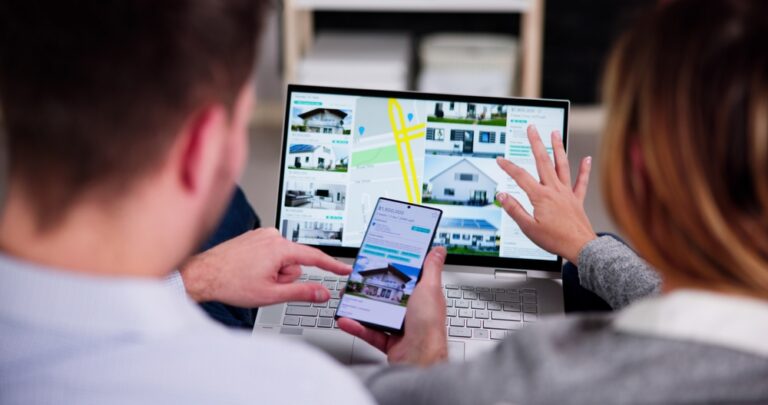
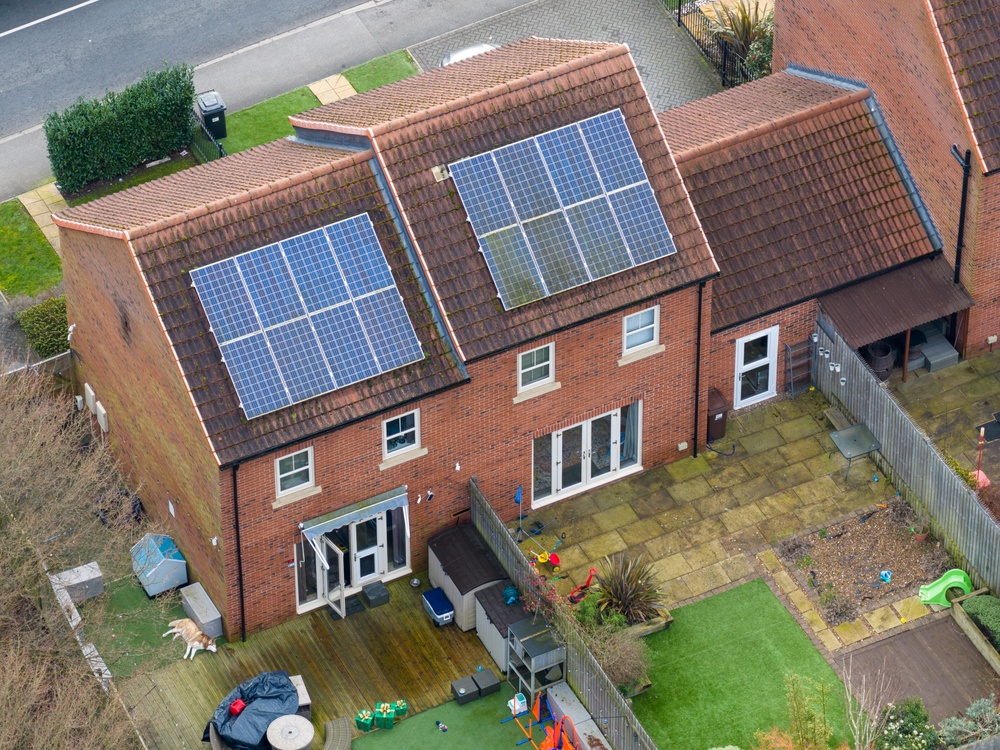
When you list your property, solar panels deserve prominent mention. Many buyers actively search for properties with solar, so making this feature visible in your description means reaching exactly the people who want it. If your panels are visible from the street or driveway, including a photograph is worthwhile – it shows real investment and modern technology.
If you’ve got data about energy generation or monthly savings, sharing that appeals to buyers interested in the practical side. It makes the benefit concrete rather than abstract.
Getting the balance right
Solar panels represent a genuine selling advantage when you approach them correctly. They attract buyer interest, suggest a well-maintained property, and offer real appeal to anyone thinking about energy efficiency and running costs. Whether you’re selling quickly or in a competitive market, having quality solar panels increasingly works in your favour.
The main thing is being straightforward about what you have – whether you own them outright or they’re leased, what warranties are in place, and how they function. That honesty builds buyer confidence and keeps the transaction smooth.
For guidance on selling your property with solar panels, speak with your local Parkers branch about how to present this feature effectively to the right buyers.