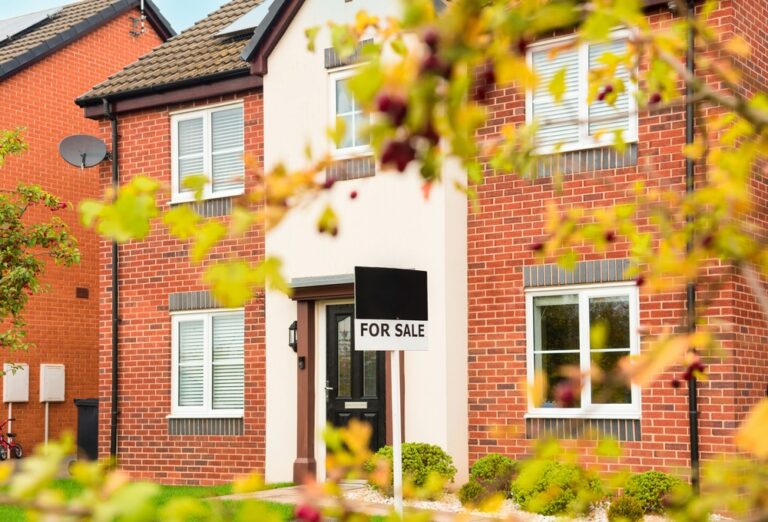
Autumn often brings a fresh wave of tenant searches. Graduates start new roles, contracts begin, and families who paused their plans over the holidays look again. The right landlord tips for autumn can help your property stand out as demand builds through the season and competing listings fill the portals.
Rental property maintenance, compliance checks, and a realistic asking rent all shape how quickly a home lets and who applies. The legal points here apply to landlords in England. Scotland, Wales, and Northern Ireland follow separate rules, so check local requirements if your property sits elsewhere.
Related: Professional tenant demand in August: What landlords see
Spot the problems before a tenant does
Applicants tend to notice small faults within minutes of walking in. A dripping tap or a stained ceiling raises quiet questions about how the home is managed. Fixing issues now can cost less than losing a good applicant to a better-kept flat down the road.
Get ahead of colder-weather repairs
Autumn exposes weaknesses that warmer months tend to hide. Falling temperatures and heavier rain test the parts of a home that tenants rely on most each day. Booking contractors early also helps, since some trades get busier as the weather turns colder.
Heating and hot water
Book a boiler service before the cold sets in. Bleed the radiators, check the thermostat, and test the hot water pressure. A tenant who moves in and finds no heating on a cold evening may struggle to trust the rest of the tenancy. Leave instructions for topping up boiler pressure.
Damp, gutters, and windows
Clear gutters and downpipes now, then again after leaves fall. Blocked drainage can cause damp patches on internal walls. Check window seals, plus the extractor fans in the kitchen and bathroom. Good airflow helps reduce condensation. Damp and mould can affect whether a home is legally fit to live in.
Make the first viewing feel like home
Presentation shapes an applicant’s opinion of a property long before they ask about the rent. As evenings draw in, viewings after the working day often take place in the dark. Those visits show the home in different conditions from the bright midday shots used in the listing.
Replace dull or missing bulbs and add lamps to darker rooms. A fresh coat of neutral paint can help smaller rooms feel larger. Keep the heating on low before evening viewings so the home feels comfortable. A tidy front garden and entrance set the tone before anyone steps inside.
Check your compliance paperwork
A well-presented home still needs the right paperwork before anyone signs a tenancy agreement. Missing or expired certificates can delay a move-in date or leave a landlord facing penalties. Reviewing everything before marketing helps keep the process on track once a suitable applicant says yes.
The safety checks every let needs
Several legal requirements apply to most private rented homes, and some depend on the appliances fitted. Renewal periods vary: one check is annual, while others last longer. Keep copies ready, as tenants must receive certain documents, such as the gas safety record and Energy Performance Certificate, before moving in.
- Gas safety record: renewed every year by a Gas Safe registered engineer.
- Electrical Installation Condition Report: a qualified inspection at least every five years.
- Energy Performance Certificate: rated E or above for most private rented homes.
- Smoke alarms: at least one on every storey used as living accommodation.
- Carbon monoxide alarms: in rooms with fixed combustion appliances, excluding gas cookers.
- Tenancy deposit: protected in a government-approved scheme within 30 days of receipt.
Related: Buy-to-Let Compliance in the Era of the Renters’ Rights Act
Tenancies under the Renters’ Rights Act
The Renters’ Rights Act brought one of the most significant changes to private renting in recent years. Its main tenancy reforms came into force on 1 May 2026. Landlords letting this autumn should understand how new tenancies now work before agreeing terms with any applicant.
Most private tenancies, new and existing, are now assured periodic tenancies with no fixed end date. Section 21 “no fault” evictions have been abolished, so possession relies on specific legal grounds. Rent can rise once a year under Section 13. Landlords cannot invite or accept offers above the advertised rent.
Landlords cannot unreasonably refuse a tenant’s request to keep a pet. Blanket bans on tenants with children or those receiving benefits are no longer permitted either. Each application should be assessed on its own merits, using checks such as affordability and references. Review your advert wording and letting criteria accordingly.
Related: What landlords often misunderstand about the Renters’ Rights Act
Meet what autumn tenants are looking for
Tenant priorities shift as the weather turns. People spend more time indoors, so the practical details of daily life come into sharper focus. Listings that cover these details upfront in the description can help filter out unsuitable enquiries before viewings.
Lower bills make a strong selling point
Energy costs often come up at viewings. Loft insulation, a modern boiler, and thermostatic radiator valves can all reduce what tenants pay each month. A smart thermostat gives tenants more control over their heating, while LED bulbs help cut lighting costs. Mention every upgrade in your property listing.
Room to work from home
Some renters now work from home for part of the week. A spare room, a quiet corner, or a dining table near a window can all serve as a workspace. Highlight these spaces in photos and descriptions. Confirm which broadband speeds are available at the address before applicants ask.
Related: How to retain good tenants in the modern rental landscape
Set a rent that reflects this market
Price strongly affects how quickly a home lets: ask too much and viewings may dry up, ask too little and you lose income across the tenancy, with limited room to raise it later. Online calculators rely on broad averages, but transport links, school catchments, parking, and outside space can mean two similar flats nearby achieve different rents. A rental valuation based on comparable recent lets gives you a realistic figure before you market.
Give your property a head start this autumn
Every week a home sits empty is a week of rent you can’t get back. A few focused hours this month can help protect rental income across the tenancy. For a clear picture of what your property could achieve, request a free property valuation from your local Parkers office.